.png)


Is Being a Content Creator Worth It in 2026? The Pros and Cons You Should Know
Updated: 15 hours ago
So... you’ve probably seen creators travelling, working from bed, filming cute videos with their pets, opening PR packages, and somehow making a living from posting on the internet and thought:
So, is being a content creator worth it in 2026? And could I actually do that too?
The answer is yes... but there’s a LOT more happening behind the scenes than what you see in a 30-second Reel.
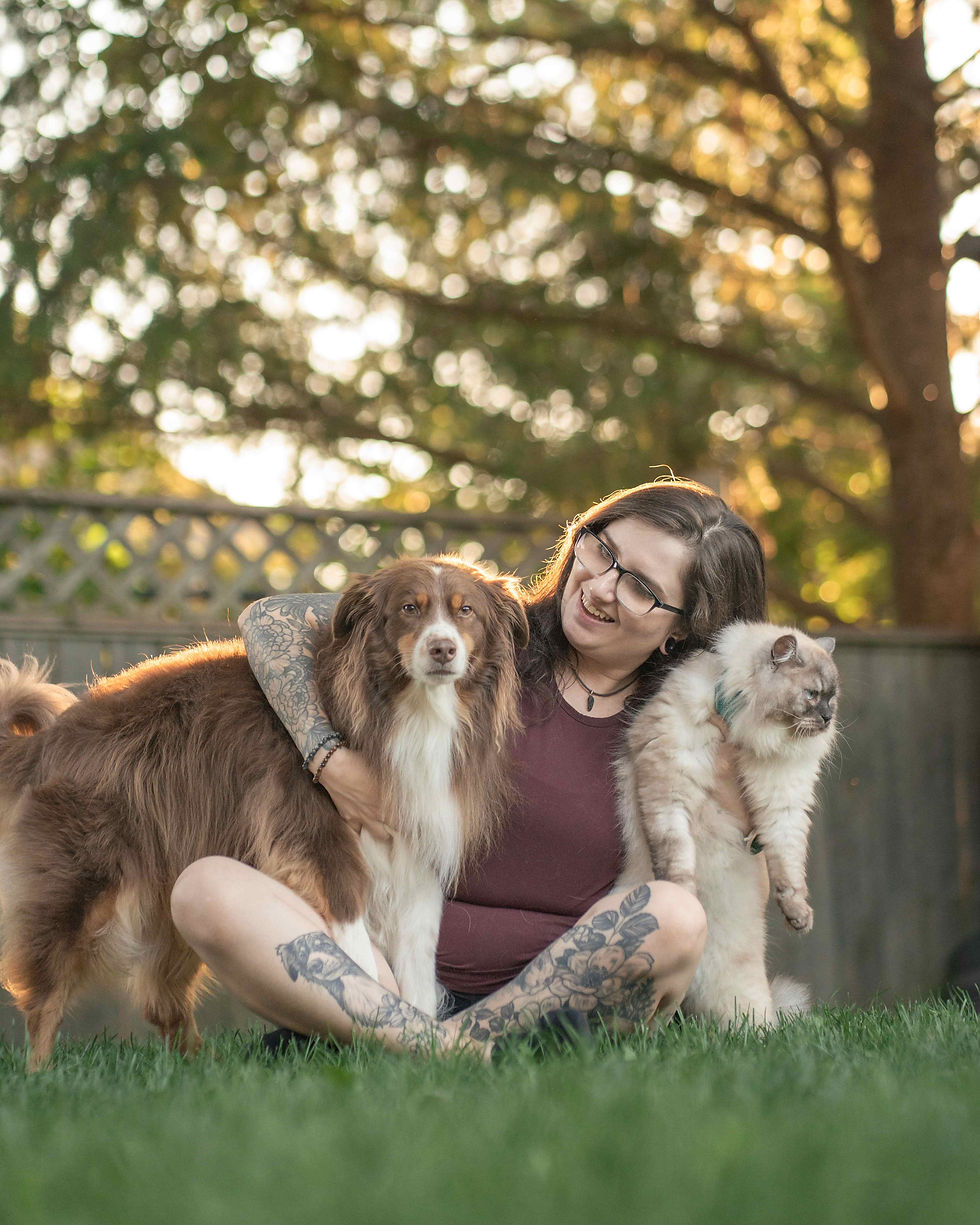
I started creating content back in 2021 with an Instagram account for my dog, Widget. There was no business plan, no strategy, and definitely no expectation that it would eventually become my full-time job.
By 2023, it had.
Now I’ve been creating content full-time for more than three years, built a community of over 250,000 people across platforms, worked with brands like Walmart, Maytag, Canadian Tire and plenty of others, and learned a lot about what this job actually looks like once social media becomes your business.
So if you're considering becoming a content creator, trying to turn your existing page into an income stream, or you're just nosy about what creators actually do all day, here's my take on the pros and cons of being a content creator in 2026.
If you're specifically interested in building a page around your pet, I also have a full guide on how to become a pet influencer in 2026.
This post was originally published in 2025 and has been updated for 2026.
This post may contain affiliate links, which means I may earn a commission if you purchase or sign up through one of my links, at no additional cost to you. I only recommend tools and products I actually use or would recommend to another creator.

The Pros of Being a Full-Time Content Creator
🕒 You Make Your Own Schedule
I can take my dog for a long walk in the middle of the day, run errands when stores are quiet, or write all my emails at 11 pm when I get my second burst of energy for the day. It’s honestly one of my favourite parts of this job. No clocking in. No weekly meetings filled with coworkers you despise. No having to book time off just to have your boss decline it.
💸 There Are A Lot of Ways to Make Money
One of the biggest misconceptions about content creation is that creators make all of their money from sponsored Instagram posts. Some do, but there are so many other income streams.
As a creator, you can make money through:
Brand partnerships
UGC and content creation
Affiliate marketing
Blog content
Platform monetization
Photography and videography
Digital products
Consulting or strategy services
Personally, I think diversification is one of the most important parts of turning content creation into an actual business. If Instagram decides your content doesn't exist for three weeks, it's nice knowing Instagram isn't also responsible for 100% of your income.
📸 You Get to Be Creative Every Day
If you love storytelling, filming, photography, or editing, this job lets you do all of that (and then some). I love being able to sit down and write out a script for a brand collaboration, have that 'aha!' moment when I think of the perfect hook, and then filming it, editing it, the whole shebang! Being creative fuels my ADHD brain, and since it's always something different, I don't get bored with it.
💬 You Meet the Coolest People
I’ve connected with fellow creators, small business owners, and incredible brands I genuinely love. It’s a whole community, and it makes everything feel a little less lonely, especially when you no longer have your favourite coworkers to chat with at the office.
🐾 You Can Work Alongside Your Pets
Working from home is such a plus for me. I was lucky that my previous job also let me work from home, but for people who have to go into a store or office every day, making the switch to content creation means more time at home, which is especially amazing if you have pets. Being able to spend more time with Widget, Olive, and Sprout throughout the day is something I’ll never take for granted.
If your dog is the reason you're thinking about getting into content creation in the first place, I put together an article on how to become a dog influencer based on what worked for me and my crew.
The Cons of Being a Full-Time Content Creator
💵 Inconsistent Income
Some months are packed, others are quiet. You really have to plan ahead (and save during the good months) to stay afloat during the slow ones.
Certain times of year, especially Q4, tend to be busier for brand work. Other months can suddenly feel painfully slow.
That's why learning how to budget, save during good months, and build multiple income streams is so important!
😅 No Work = No Pay
If I’m sick, overwhelmed, or just need a break… I don’t get paid unless I’ve planned ahead. There’s no paid time off or sick days. It’s very much “if you don’t work, the money doesn’t come in.”
Unless you've built passive or recurring income streams that continue while you're offline, your income can slow down when you do.
That's one of the biggest reasons I've become more interested in things like blogging, SEO, affiliate income, and building content that can continue working after I hit publish.
🧢 You Wear All the Hats
I’m the creator, photographer, editor, writer, admin, negotiator, accountant, project manager, salesperson, SEO person, website designer, and sometimes customer service rep.
Content creation is creative, but running a creator business involves a surprising amount of admin.
🧠 Burnout Is Real (Like… Real Real)
Social media never sleeps, and it’s easy to feel like you can’t either. I’ll be lying in bed, just wanting to scroll TikTok in peace like a normal person, and suddenly my brain goes: “Wait—is this trending? Should I film my version of this right now?” It’s hard to turn off that internal pressure to always be on. And when your work and your phone are basically the same thing, setting boundaries becomes… complicated.
🚫 No Health Benefits
No health insurance, dental, or retirement plan unless you set it up yourself. It's a big shift if you're used to traditional work benefits.
📑 You Need to Set Aside Money for Taxes
When money starts coming in, it’s easy to think it’s all yours...but it’s not. As a self-employed creator, you’re responsible for setting aside taxes, and that can be a big chunk depending on where you live. It’s not the most glamorous part of the job, but staying organized and saving as you go is essential (your future self will thank you during tax season).
If you're in Canada, the CRA considers income earned through social media influencer activities, including commissions and certain non-monetary compensation, to be business income.

How Do Content Creators Actually Make Money?
This is probably one of the biggest questions people have when they're considering becoming a creator.
And no, you don't need millions of followers.
Brand Partnerships
Brands pay creators to feature their products or services in content shared with the creator's audience. This might include an Instagram Reel, TikTok, Stories, photography, a blog post, or a larger campaign across several platforms.
Brand partnerships are still a big part of my creator business (especially as a Canadian).
If brand partnerships are one of your goals, it can also be really helpful to understand what brands are actually looking for when they choose a pet influencer.
There’s also actual research behind why pet influencers can build so much trust with their audiences.
UGC and Content Creation
UGC stands for user-generated content, although the term has basically evolved into creators producing social-first content that brands can use on their own pages or in advertising.
The biggest difference? You aren't necessarily being paid for your audience. You're being paid for your ability to create good content.
That means UGC can be an option even if you're still building your following.
Affiliate Marketing
Affiliate marketing is a great income stream because it lets me make money from products and tools I'm already talking about. If someone purchases or signs up through my affiliate link, I may receive a commission.
This can include physical products, but it can also include software and services I use to run my creator business.
One important thing to remember is disclosure. In Canada, creators should clearly disclose material relationships with brands, including commissions, free products, discounts, and other benefits.
Platform Monetization
Some social platforms offer creators ways to earn directly from views, advertising revenue, or creator programs. For example, creators accepted into the YouTube Partner Program can access monetization options including ad revenue, memberships, Shorts revenue, and other features.
It's also why I wouldn't build an entire creator business around one platform's monetization program. Programs change. Eligibility changes. Algorithms change.
Blogs and SEO
This is an area I've become increasingly interested in. Social media content can disappear from someone's feed within a day. A helpful blog article can continue appearing in Google searches months or even years later.
Blogging can support affiliate marketing, brand partnerships, email-list growth, services, and other areas of your business.
And if you're reading this article because you found it on Google...well, that's kind of my point. 😅
Digital Products and Services
Creators can also make money selling templates, guides, presets, ebooks, consultations, workshops, or other resources related to something they know well.
That doesn't mean every creator needs to launch a $997 course promising to teach you the “secret” to becoming rich online.
Please don't. 😂
But if you've developed a useful skill and people regularly ask you for help with it, there may eventually be an opportunity to turn that knowledge into something helpful.
Creator Tools I Actually Use & Recommend
There are a handful of tools I use behind the scenes to run HerCozyCrew as an actual business. If you're building your own creator business, these are some of the ones I'd recommend looking into.
Tool | What I Use It For | Why I Recommend It |
Wix | Website, blog, portfolio + creator resources | I've built my own website on Wix and like having one place I actually own outside of social media. [Try Wix →] |
Google Workspace | Professional business email + Google Drive | Having an email attached to your own domain immediately makes your creator business feel more professional. [Try Google Workspace →] |
KeySearch | Keyword + SEO research | I use keyword research to figure out what people are actually searching for before I spend hours writing a blog post. [Try KeySearch →] |
Repurpose.io | Automatically repurposing social content | Helps me get more mileage out of the content I've already created instead of manually uploading everything everywhere. [Try Repurpose.io →] |
Amazon | Creator gear + equipment | Cameras, lighting, tripods, microphones and other gear I actually use for content creation. [See My Creator Gear →] |
Some of the links above are affiliate links, which means I may earn a commission if you purchase or sign up through them, at no additional cost to you. I only recommend tools I actually use or would recommend to another creator!
Is Being a Content Creator Worth It? My Honest Take
That’s totally up to you. Being a content creator isn’t some get-rich-quick scheme like some people make it sound like. It takes time, consistency, and a lot of behind-the-scenes hustle. I started back in 2021 with what was honestly just a silly dog account, and over time, it turned into something way more. I never planned for any of this to become my full-time job.
But then I got laid off from my tech job, and that ended up being the push I needed to go all-in.
If you’re thinking about taking the leap, I really recommend starting out just for fun. Build your following. Get creative. See what kind of content you enjoy making without the pressure of wondering where your next paycheque is coming from.
Have savings set aside in case it doesn’t work out right away. Start part-time if you can. Try landing a few brand deals, dabble in affiliate marketing, or explore UGC. Learn how it all works before diving in full-time, so you can ease into it with a bit more confidence!
Want Some Personalized Help?
I share a lot of what I’ve learned about content creation for free because I remember how confusing it was trying to figure all of this out in the beginning.
But sometimes a blog post or checklist can only get you so far.
I also offer a limited amount of one-on-one help for creators who want someone to actually look at what they’re building and help them figure out their next steps.
That might look like a creator strategy session, a social media audit, a personalized game plan, or something more specific to what you’re working on.
I also work with pet creators, breeders, catteries, kennels, and other animal-focused businesses who want help growing their online presence, improving their content, building demand, or figuring out how social media can actually support what they’re trying to build.
I don’t have a one-size-fits-all coaching package because everyone comes to me at a different stage and with different goals.
Instead, tell me a little about yourself, what you’re currently working on, and where you’re feeling stuck. I’ll take a look and let you know what I think would actually be helpful.
FAQs About Being a Content Creator in 2026
Do you offer one-on-one help for content creators?
Yes! Most of the creator resources I share are completely free, but I also offer a limited amount of personalized help through strategy sessions, social media audits, and custom game plans.
Because every creator, breeder, cattery, kennel, or business I work with is at a different stage, I don’t offer one standard package for everyone.
If you’re interested in working together, you can fill out my Creator Strategy Inquiry Form and tell me a little about yourself, what you’re building, and what you’d like help with. I’ll review it and get back to you with what I think would be the most useful next step.
Is it still worth becoming a content creator in 2026?
Yes, but it depends on your goals. Content creation in 2026 can be rewarding, offering flexible schedules, creative freedom, and high income potential. However, it also comes with challenges like inconsistent pay, burnout, and a lack of benefits. If you're passionate, adaptable, and willing to learn the business side, it can absolutely be worth it.
How much money do content creators make in 2026?
When I started this account for my dog Widget, I wasn't trying to build a business. I didn't make a cent that first year. The year after, I made a few thousand dollars, mostly from small brand gifting and the occasional paid post. It took years of consistent, unglamorous work before that number really moved. By 2025, between brand partnerships, affiliate income, and blog revenue, I came in just shy of six figures. That number didn't happen overnight, and it wasn't from one big viral moment. It was slow, and for a long time it wasn't much at all.
What are the biggest challenges of being a content creator?
The top struggles include inconsistent income, lack of paid time off, doing every job yourself (editing, admin, negotiations), and setting boundaries to avoid burnout. It’s a lot of work behind the scenes, even if the final result looks effortless.
Can I start content creation as a side hustle in 2026?
Absolutely. Starting part-time is a great way to test the waters. You can build your audience, land your first brand deals, and learn how monetization works, all before going full-time. Many successful creators began their journey as a hobby!
What should I know before becoming a full-time creator?
Before you quit your day job, have savings set aside, understand how taxes work as a self-employed person, and experiment with different types of content and income streams. The creator economy in 2026 is thriving, but preparation is key to sustainability.
Is it too late to become a content creator in 2026?
No, but content creation is definitely more competitive than it used to be. I think standing out now has less to do with finding some magical untapped niche and more to do with having a recognizable voice, creating useful or entertaining content, and building a connection with your followers.
There’s more content than ever, including AI-generated content, but nobody else has your exact personality, experiences, pets, perspective, or way of telling a story.
